
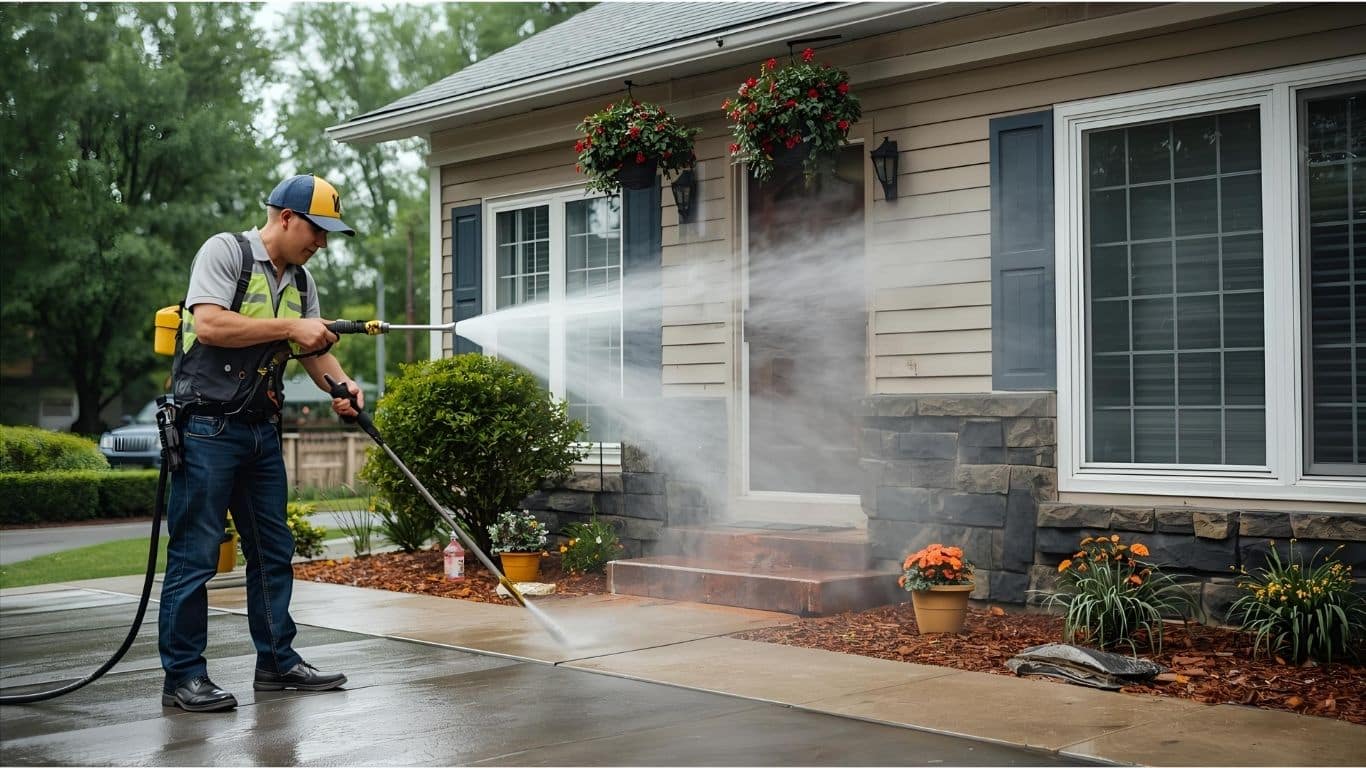
Pressure washing can make a building’s exterior look brand new, but when done incorrectly, it can cause serious and expensive damage. Many business owners attempt to save money by tackling the job themselves, only to realize that improper equipment use and lack of experience can lead to costly repairs.
Professional cleaning, especially from experts like Port Orange Pressure Washing, ensures that every surface is treated safely and effectively. Understanding the risks of DIY pressure washing helps property owners make informed choices that protect their investment and maintain curb appeal.
The Difference Between DIY and Professional Pressure Washing
At first glance, pressure washing may seem simple: just spray water at high pressure to remove dirt and stains. However, commercial buildings require specific techniques, detergents, and pressure levels based on material type and surface condition.
Professionals handle a wide variety of materials—concrete, stucco, metal, vinyl, and brick—each with its own cleaning needs. Using the wrong pressure or cleaning agent can cause permanent surface damage, discoloration, and even structural weakening.
Knowledge and Equipment Make the Difference
Professional-grade pressure washers differ from consumer models in both power and precision. Commercial machines use regulated nozzles, controlled water flow, and adjustable pressure settings to match different materials.
Certified technicians are trained to read surface conditions and determine how much pressure to apply. This prevents stripping paint, etching surfaces, or forcing water beneath siding and seals. Attempting this without experience often leads to unintended property damage.
Safe Techniques for Varied Surfaces
Professional cleaners use methods like soft washing and hot water cleaning when needed. These techniques rely on biodegradable detergents and lower water pressure to clean effectively without harming delicate surfaces.
For example, commercial pressure washing professionals understand that concrete can withstand high pressure, but painted walls, signage, and awnings require a gentler approach. DIY attempts often overlook these distinctions, causing damage that may not be visible immediately.
The Hidden Dangers of DIY Pressure Washing
DIY pressure washing may appear effective at first glance, but beneath the surface, it can cause significant problems. Many property owners discover too late that their efforts led to leaks, surface erosion, or costly maintenance issues.
Surface Damage and Erosion
One of the most common issues with DIY pressure washing is overuse of pressure. Water blasted at excessive force can chip paint, crack stucco, loosen mortar, and damage exterior coatings. These issues not only diminish visual appeal but also expose the building to weather-related deterioration.
Porous materials like brick or concrete can erode under too much pressure, creating tiny fissures that trap moisture. Over time, these weaken the structure and invite mold or mildew growth.
Water Intrusion and Mold Growth
Without proper control, water can seep behind siding, into windows, or through small cracks. This trapped moisture encourages mold growth, rot, and interior damage that can be costly to repair.
Professionals use precise techniques and controlled spray patterns to avoid forcing water into vulnerable areas. DIY approaches rarely achieve that level of precision, increasing the risk of long-term water damage.
Electrical and Safety Hazards
Commercial buildings often have lighting systems, outlets, and electrical panels near exterior surfaces. High-pressure water directed toward these areas can cause electrical shorts or even personal injury.
Professional technicians are trained to identify and avoid electrical risks during cleaning, ensuring that the process remains safe for both the property and its occupants.
Financial Risks of DIY Pressure Washing
While DIY cleaning may seem like a way to save money, it often results in higher costs in the long run. Equipment rental fees, cleaning product purchases, and potential repair costs can quickly exceed the price of professional service.
Hidden Costs and Repairs
Surface damage, paint stripping, or water intrusion may not be visible right away, but they lead to expensive repairs later. Once materials degrade, replacements can cost thousands of dollars.
In contrast, professionals provide long-term protection by applying proper cleaning solutions, balanced pressure, and post-wash treatments that extend the life of your building’s surfaces.
Liability and Insurance Concerns
DIY pressure washing also poses liability risks. If an employee or property owner gets injured during cleaning, the lack of professional insurance can lead to costly medical or legal expenses.
Hiring certified professionals ensures full coverage, compliance with safety regulations, and peace of mind knowing your property is in expert hands.
Environmental and Compliance Factors
Commercial properties must adhere to environmental standards regarding wastewater and chemical runoff. DIY projects often overlook these regulations, leading to potential fines or contamination issues.
Professionals use eco-friendly detergents and specialized recovery systems that prevent pollutants from entering storm drains or local waterways. This environmentally responsible approach protects both your property and the surrounding community.
Proper Wastewater Management
During pressure washing, debris, oil, and detergents can wash into public drainage systems if not contained. Professionals use filtration tools and collection equipment to manage wastewater safely.
This ensures compliance with local environmental guidelines, an important factor for commercial property owners who want to maintain a responsible and sustainable image.
Eco-Friendly Cleaning Solutions
Professional-grade detergents are biodegradable and safe for surrounding landscaping. Many DIY cleaners rely on harsh chemicals that can corrode surfaces and harm nearby plants.
Experts select cleaning agents tailored to your property’s materials, achieving powerful cleaning results without environmental harm.
Why Professional Pressure Washing Protects Your Investment
A commercial building represents a major investment, and its exterior plays a critical role in brand image and property value. Entrusting cleaning to trained specialists ensures that your property looks its best without risking unnecessary damage.
Port Orange Pressure Washing uses advanced techniques to clean efficiently, restore curb appeal, and safeguard your building from long-term deterioration. Their team is experienced in handling all types of commercial surfaces, ensuring precise, consistent, and lasting results.
To see real transformations from their work, explore our work showcasing how professional cleaning revitalizes local businesses. For more helpful insights on property care, visit more guides and insights.
Conclusion
While DIY pressure washing may seem convenient, the risks far outweigh the short-term savings. Without professional expertise, you could damage surfaces, create safety hazards, and violate environmental standards.
Investing in professional commercial pressure washing is the smarter, safer, and more cost-effective choice. Professionals understand the nuances of different materials, use appropriate cleaning techniques, and protect your property’s long-term integrity.
To maintain your business’s appearance and safety, trust the experts who know how to clean it right the first time. Schedule an appointment today and experience the professional difference that protects your investment and reputation.
FAQs
1. Why is DIY pressure washing risky for commercial buildings?
DIY pressure washing often uses excessive pressure or incorrect cleaning agents, which can erode surfaces, strip paint, and cause water damage.
2. How often should commercial properties be pressure washed?
Most commercial properties benefit from professional pressure washing once or twice a year, depending on exposure to dirt, weather, and foot traffic.
3. Can pressure washing damage concrete or brick surfaces?
Yes, using the wrong pressure or nozzle can cause etching or loosen mortar joints. Professionals adjust techniques to match surface strength and material type.
4. Are professional cleaning agents safe for the environment?
Professional-grade detergents are biodegradable and applied responsibly, preventing runoff into waterways or landscaping.
5. What makes professional pressure washing worth the cost?
Professionals save you time, prevent damage, comply with regulations, and deliver long-lasting results that protect your building’s value and appearance.