
Clogged gutters rarely announce themselves with a dramatic collapse. They fail quietly, over a summer of afternoon thunderstorms and a winter of dropped oak leaves, until one heavy rain sends water sheeting down your siding instead of into the downspout. In Port Orange, where humidity, salt air, and near daily summer storms put constant stress on a home’s exterior, staying ahead of gutter problems saves thousands in repairs. The team at Port Orange Pressure Washing sees the same preventable damage over and over, and most of it starts with gutters nobody thought to check. This guide walks through the specific signs that tell you it is time for professional cleaning, what those signs mean, and how neglected gutters ripple into bigger issues around your property.
Why Gutters Fail Faster in Port Orange
Our local conditions are hard on gutter systems in ways that inland or drier regions never deal with. Coastal moisture keeps debris damp and slow to dry, so leaves and pine needles pack down into a dense mat rather than blowing free. Live oaks and laurel oaks shed constantly, not just in autumn, and the fine catkins they drop in spring slip right through many gutter guards. Add the sandy grit that blows off nearby lots and the pollen film that coats everything in April, and you have a recipe for gutters that clog several times a year.
The volume of rain matters too. A single Central Florida summer storm can dump an inch of water in under an hour. Gutters are sized to move that water quickly, but only when the channel and downspouts stay clear. When they do not, the overflow finds the path of least resistance, which is usually your fascia board, your foundation, or the gap behind the gutter itself. Because storms here are so frequent, a marginal clog that would be harmless up north becomes a recurring flood point in Port Orange.
The Clearest Signs Your Gutters Need Professional Cleaning
Some warning signs are obvious once you know to look for them. Others hide until real damage has already begun. Walk your property after a rain and check for the following, ideally from the ground with binoculars before climbing anything.
Water Spilling Over the Edges During Rain
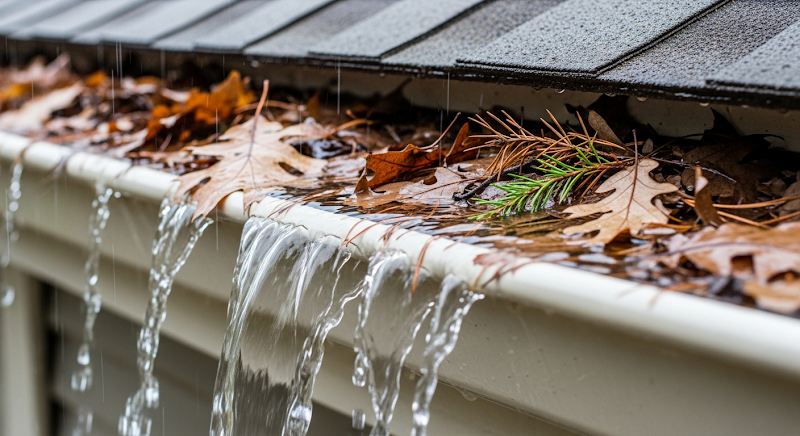
The most direct symptom is a waterfall pouring over the front lip of the gutter while it rains. A healthy system channels water to the downspouts with barely a trickle escaping. When you see sheets of water cascading past the trough, the channel is either full of debris or the downspout is blocked downstream. Watch during a moderate shower rather than a downpour, because even clear gutters can briefly overtop in an extreme deluge.
Sagging or Pulling Away From the Roofline
Wet debris is heavy. A ten foot run of gutter packed with soaked leaves and standing water can hold dozens of pounds, and that weight pulls the hangers loose from the fascia. If you notice a section drooping in the middle, tilting forward, or leaving a visible gap between the gutter and the roof edge, the load has already stressed the mounting hardware. Left alone, the fasteners tear out and the whole run can drop after the next storm.
Plants and Weeds Growing Out of the Trough
Nothing signals long neglect like maple seedlings, grass, or ferns sprouting from a gutter. In our climate a windblown seed lands in the moist decomposed leaf litter, and within weeks it has roots. Once vegetation takes hold, the gutter is effectively a planter box, holding water against the roof edge and accelerating rot. Green growth up top means the debris underneath has been there long enough to become soil.
Stains and Streaks on the Siding or Fascia
Dark vertical streaks below the gutter line, or tiger stripe marks on the gutter face itself, point to chronic overflow. Water that repeatedly runs down the exterior carries dirt, tannins from oak leaves, and mildew spores that stain the surface. If you are already seeing that grime spread across your walls, addressing the gutters solves the cause, and refreshing the walls with gentle house washing solutions removes the evidence it left behind.
Pooling Water and Erosion Around the Foundation
Follow the water down. If your downspouts are backed up, the overflow lands right at the base of the house instead of being carried away. Look for mulch washed out of beds, trenches cut into the soil, splash marks on the lower siding, or muddy pooling near the slab after it rains. Persistent moisture at the foundation is one of the costliest outcomes of clogged gutters, because it can crack slabs and invite subterranean pests.
Nests, Insects, and Standing Water
A clogged gutter that holds water becomes a breeding pool. Mosquitoes lay eggs in as little as a bottle cap of standing water, and a blocked trough offers a buffet. Wasps, palmetto bugs, and even rodents nest in the sheltered debris. If you notice a jump in insect activity along the eaves, or you spot a nest tucked behind the gutter, the standing water and organic matter are the draw.
What Neglected Gutters Do to the Rest of Your Home
Gutters do not fail in isolation. Once they stop moving water, the damage spreads to expensive components that were never meant to get soaked. Understanding the chain reaction helps explain why a modest cleaning is worth prioritizing.
Fascia and Soffit Rot
The fascia board is the wood the gutter mounts to, and the soffit is the underside of the eave. Both are vulnerable to constant moisture. When gutters overflow behind the trough, water wicks into the fascia, softens it, and eventually rots through. Repainting only hides the problem. Replacing rotted fascia and soffit across a typical Port Orange home often runs well into four figures, far more than routine gutter maintenance would have cost.
Roof Edge and Shingle Damage
Water that backs up in a full gutter has nowhere to go but up, under the first course of shingles and the drip edge. That trapped moisture degrades the underlayment and can lead to leaks in the attic. Debris piled against the roof edge also traps humidity against the shingles and encourages the black algae streaking common on our roofs. Keeping the gutters clear is part of protecting the roof itself, and pairing that with expert roof cleaning services keeps the whole upper envelope of the house in good shape.
Landscape and Hardscape Washout
Concentrated overflow acts like a garden hose left running on one spot. It carves channels through flower beds, undermines pavers, and floods walkways. Homeowners often replace mulch and reset stones season after season without realizing a blocked downspout is the culprit. Fixing the gutter stops the erosion at its source.
How Often Should Port Orange Gutters Be Cleaned
For most homes here, twice a year is the baseline: once after the heavy oak and pollen drop of spring, and again in late fall once the bulk of seasonal debris has come down. Properties with mature trees hanging over the roof may need three or four cleanings a year, because oaks and pines shed almost continuously in our climate. If your lot is open with few overhanging branches, an annual cleaning combined with a post storm check may be enough.
Timing around the summer storm season matters most. Getting gutters cleared before June, when the daily thunderstorms ramp up, means the system is ready to handle the heaviest rain of the year. A second clearing before hurricane season peaks in late summer is smart insurance, since a clogged system during a tropical downpour can flood a home in hours.
Why Professional Cleaning Beats the Ladder and a Bucket
Plenty of homeowners try to handle gutters themselves, and for a single story ranch with easy access that can work. The trouble is that most gutter damage hides where you cannot see it from the ground: behind the trough, inside the downspout elbows, and at the seams. A professional cleaning clears the full channel, flushes every downspout to confirm flow, and includes an inspection of the hangers, seams, and fascia while the technician is up there.
There is also the safety math. Second story gutters over a sloped Florida roof, often slick with algae, are a genuine fall hazard. Professionals bring the right ladders, stabilizers, and experience to work safely at height. You can see the difference clean gutters and a well maintained exterior make when you browse our photo gallery and reviews from other Port Orange properties.
Protecting Your Investment Before the Next Storm
Gutter cleaning is one of the cheapest forms of home insurance you can buy. A modest recurring service prevents fascia rot, foundation erosion, roof leaks, and pest problems that each cost far more to fix than a season of maintenance. If you have noticed any of the signs above, especially overflow, sagging, or streaked siding, treat them as early warnings rather than minor annoyances.
Ready to get ahead of the rain? Reach out to a local crew that knows exactly what our oaks, storms, and salt air do to a home and schedule a free quote today so your gutters are clear before the next downpour tests them.
Frequently Asked Questions
How do I know if my gutters are clogged without climbing a ladder?
Watch your gutters during a moderate rain from the ground. Water pouring over the front edge, dripping from the seams, or streaking down the siding all indicate a blockage. Sagging sections, plants growing from the trough, and pooling water near the foundation are visible ground level clues as well.
How often do gutters really need cleaning in Port Orange?
Most local homes do best with two cleanings a year, one in spring and one in fall. Properties shaded by oaks or pines often need three or four, because those trees shed almost year round in our climate. Clearing them before June storms and again before peak hurricane season is the safest schedule.
Can clogged gutters really damage my roof?
Yes. When a gutter fills up, water backs up under the first row of shingles and the drip edge, soaking the underlayment and eventually leaking into the attic. Debris packed against the roof edge also traps moisture that feeds algae and shortens shingle life.
Will professional gutter cleaning fix the stains on my siding?
Cleaning the gutters stops new overflow from streaking your walls, but existing stains need to be washed off separately. A gentle house washing removes the tannin and mildew marks that chronic overflow leaves behind, restoring the original color of your siding.
Is it worth hiring a professional instead of doing it myself?
For single story homes with easy access, careful homeowners can manage. For two story houses, steep or slick Florida roofs, and hidden trouble spots behind the trough and inside downspouts, professionals bring the equipment, safety gear, and inspection experience to do it thoroughly and without risk.