
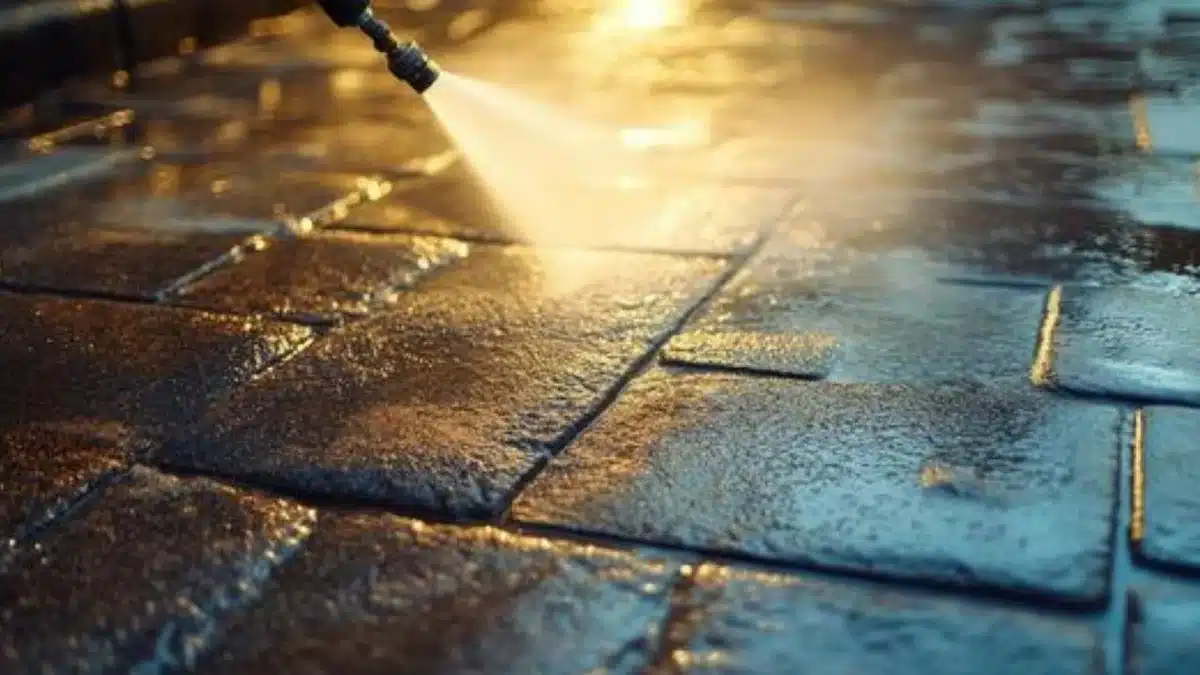
Residential sidewalks play an important role in both the functionality and appearance of a property. They provide safe access to entrances, connect outdoor spaces, and contribute to the overall curb appeal of a home. While sidewalks are designed to withstand daily use, they are constantly exposed to environmental conditions and regular foot traffic that gradually affect their condition over time.
In Port Orange, sidewalks face unique challenges due to the local climate. Heat, humidity, rainfall, and organic debris all contribute to surface changes that impact appearance and durability. Combined with daily foot traffic from family members, guests, delivery personnel, and service providers, these factors create ongoing wear that requires attention. Understanding how weather and usage affect residential sidewalks helps homeowners take proactive steps to protect these important surfaces.
Why Residential Sidewalks Experience Constant Exposure
Unlike interior flooring that remains protected from the elements, sidewalks face continuous exposure to outdoor conditions. Every season introduces new challenges that affect the surface, while daily use creates additional stress on the material.
Sidewalks are often overlooked because changes occur gradually. What begins as minor discoloration or light buildup can eventually develop into more noticeable issues that impact both appearance and safety. Understanding these influences is the first step toward maintaining sidewalks effectively.
Many property owners trust Port Orange Pressure Washing because local experience helps address the specific environmental conditions that affect residential surfaces throughout the year.
The Impact of Rain and Moisture on Sidewalk Surfaces
Moisture is one of the most significant factors affecting sidewalks in Port Orange. Frequent rainfall and elevated humidity levels create conditions where concrete remains damp for extended periods. This moisture gradually changes the surface and contributes to the development of several common maintenance concerns.
When water repeatedly interacts with concrete, it affects both appearance and structural condition. Although sidewalks are designed to withstand outdoor exposure, constant moisture creates opportunities for buildup and deterioration.
Water Penetrates Porous Concrete
Concrete naturally contains tiny pores that absorb moisture. Over time, repeated exposure allows water to penetrate the surface and settle into these openings. This process can contribute to gradual wear and increase the likelihood of future surface issues.
Damp Conditions Encourage Surface Changes
When sidewalks remain wet for long periods, they become more susceptible to discoloration and organic growth. Areas that receive less sunlight often experience these effects more quickly because moisture takes longer to evaporate.
Moisture Creates Conditions for Additional Buildup
Water acts as a catalyst for many forms of surface contamination. Dirt, pollen, and debris tend to adhere more easily to damp surfaces, accelerating the accumulation process.
How Humidity Influences Sidewalk Appearance
Port Orange experiences high humidity levels throughout much of the year. While humidity may seem harmless, it plays a major role in how sidewalks age and change over time.
The presence of moisture in the air contributes to surface dampness even when it has not recently rained. This ongoing exposure creates an environment where organic growth can develop and spread more easily.
Organic Growth Thrives in Humid Conditions
Humidity supports the growth of algae and other organic materials that commonly appear on concrete surfaces. These growths often begin in small areas before expanding across larger sections of the sidewalk.
Surface Discoloration Becomes More Noticeable
As organic growth develops, sidewalks may begin to show green, dark, or uneven patches. These changes alter the appearance of the concrete and reduce overall curb appeal.
Humidity Extends Drying Times
Sidewalks exposed to high humidity remain damp longer after rainfall. This extended moisture exposure increases the likelihood of buildup developing on the surface.
The Role of Foot Traffic in Sidewalk Wear
Weather is not the only factor that affects residential sidewalks. Daily foot traffic also contributes to gradual wear. Every step placed on the surface creates small amounts of pressure that accumulate over time.
Although sidewalks are built to handle regular use, constant traffic contributes to changes that become more noticeable as years pass. The effects often appear gradually but play an important role in overall sidewalk condition.
Frequent Use Creates Surface Wear
Areas that receive the most foot traffic often show signs of wear before other sections. Repeated use gradually affects the texture and appearance of the concrete.
Debris Is Carried Onto Walkways
Shoes often track dirt, sand, and organic material onto sidewalks. This debris accumulates over time and contributes to staining and surface buildup.
Traffic Patterns Affect Certain Areas More Than Others
Not all sections of a sidewalk receive equal use. Entryways and pathways leading to doors often experience greater wear because they serve as primary walking routes.
How Dirt and Debris Accumulate Over Time
One of the most visible effects of weather and foot traffic is the gradual accumulation of dirt and debris. Sidewalks constantly collect airborne particles, pollen, leaves, and other materials that settle onto the surface.
Without routine maintenance, this buildup becomes more noticeable and begins to affect the appearance of the property. Over time, accumulated debris can also contribute to additional maintenance concerns.
Property owners looking for additional maintenance resources can explore more guides and insights to learn more about protecting exterior surfaces.
Organic Growth and Sidewalk Safety
One of the biggest concerns associated with moisture and foot traffic is the development of slippery surfaces. Algae and similar organic growths create a slick layer that affects traction and increases safety risks.
This issue is particularly common in shaded areas where moisture remains present for longer periods. Regular maintenance helps reduce these hazards and supports safer walking conditions.
Algae Creates Slippery Conditions
Organic growth often produces a slick texture that becomes especially hazardous when wet. This reduces traction and increases the risk of slips.
Shaded Areas Experience Faster Growth
Sections of the sidewalk that receive limited sunlight often show signs of buildup sooner than areas exposed to direct sunlight.
Safety Concerns Increase With Surface Neglect
As buildup becomes more severe, sidewalks may become increasingly difficult to navigate safely during wet weather.
How Sidewalk Appearance Affects Curb Appeal
Sidewalks contribute significantly to a property’s first impression. Visitors often encounter these surfaces before reaching the front door, making their condition an important part of overall curb appeal.
Clean and well maintained sidewalks create a welcoming appearance, while stained or discolored surfaces can make an otherwise attractive property appear neglected.
Professional sidewalk cleaning helps restore brightness and improve the overall presentation of residential walkways.
Clean Walkways Create Positive Impressions
Well maintained sidewalks enhance the visual appeal of a property and contribute to a more inviting atmosphere.
Discoloration Reduces Visual Appeal
Stains and buildup distract from the appearance of the home and surrounding landscape.
Consistent Maintenance Supports Property Presentation
Routine care helps ensure sidewalks remain an attractive part of the exterior environment.
Long Term Effects of Neglected Sidewalk Maintenance
When sidewalks are not maintained regularly, small issues often develop into larger concerns. Surface buildup becomes more difficult to remove, organic growth spreads, and appearance continues to decline.
Over time, neglect can contribute to higher maintenance costs and increased effort to restore the surface. Preventative care helps avoid these problems and supports long term durability.
Buildup Becomes More Difficult to Remove
The longer contaminants remain on the surface, the deeper they settle into the concrete.
Maintenance Costs May Increase
Addressing severe buildup often requires more intensive cleaning than routine maintenance.
Surface Longevity Can Be Reduced
Consistent exposure to moisture and contaminants without cleaning may contribute to faster deterioration.
The Benefits of Routine Sidewalk Cleaning
Regular cleaning helps counteract the effects of weather and foot traffic. By removing dirt, debris, and organic growth before they become severe, homeowners can maintain cleaner and safer walkways throughout the year.
Routine maintenance also supports the long term appearance and condition of concrete surfaces.
Examples of these improvements can be seen by reviewing our work and observing how professional cleaning transforms residential walkways.
Choosing Professional Sidewalk Maintenance Services
Maintaining sidewalks effectively often requires more than occasional rinsing. Professional services provide the equipment and expertise needed to remove buildup safely and thoroughly.
Additional information about service standards and experience can be found through why homeowners work with Port Orange Pressure Washing.
Professional maintenance helps homeowners protect their investment while ensuring sidewalks remain attractive and functional.
Maintaining Sidewalks Throughout the Year
Weather and foot traffic are unavoidable parts of residential property ownership, but their impact can be managed through consistent care. Routine maintenance helps preserve appearance, improve safety, and reduce long term wear.
Keeping sidewalks clean is much easier when maintenance becomes part of a regular property care plan, and you can conveniently schedule your appointment whenever buildup, discoloration, or organic growth begins to affect your walkways.
FAQs
How does weather affect residential sidewalks?
Rain, humidity, and moisture contribute to buildup, discoloration, and organic growth that gradually change sidewalk surfaces.
Does foot traffic damage concrete sidewalks?
Regular use contributes to gradual wear over time, particularly in high traffic areas near entrances and walkways.
Why do sidewalks become slippery?
Algae and other organic growth often develop in damp conditions, creating slippery surfaces that reduce traction.
How often should residential sidewalks be cleaned?
Most sidewalks benefit from professional cleaning once or twice per year, depending on weather exposure and surrounding conditions.
Can routine cleaning improve sidewalk appearance?
Yes. Regular cleaning removes buildup, restores brightness, and helps maintain the overall appearance of the property.